

What's going on?
Just what is history for?
History is a set of lies agreed upon.
Napoleon Bonaparte
History is argument.
Simon Schama
The only argument you ever win is the one you don’t have.
James Lee Burke
History is more or less bunk. It’s tradition. We don’t want tradition. We want to live in the present and the only history worth a tinker’s damn is the history we make today.”
Henry Ford
History is the study of all the world’s crime.”
Voltaire
If you don’t know history, it’s as if you were born yesterday. If you were born yesterday then any leader can tell you anything.”
Howard Zinn
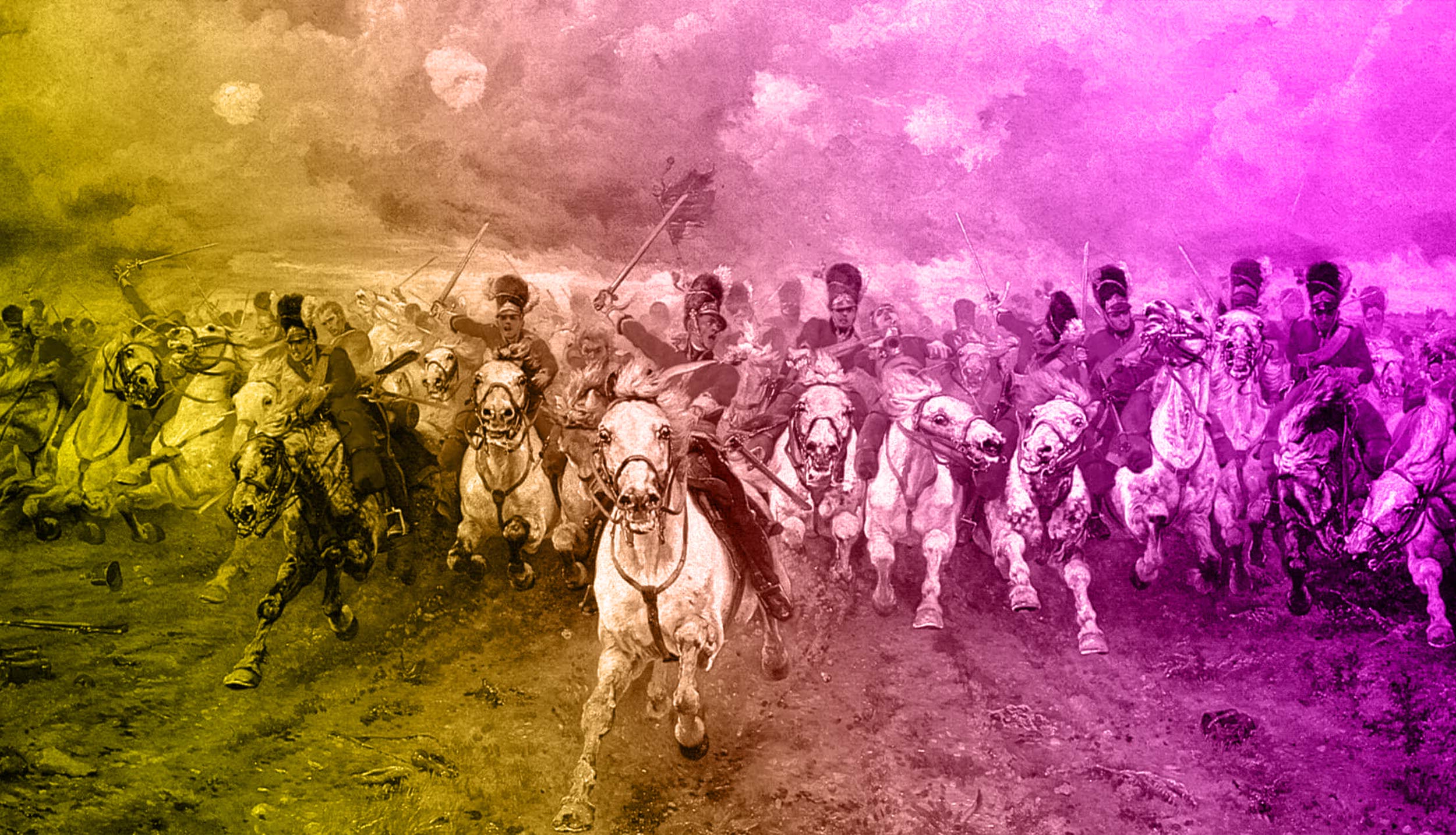
What is going on? That is the question, the family-friendly version anyhow. It’s also the answer to that second-most-frequently-asked question of historians: what is history for? Why should we care about what happened then? For the simple reason that it is the best way to understand what is happening now, and why.
History is about who we collectively are and how we feel about it. It’s one of the attempted answers to the great human question: what the hell is going on? After all, if you walk into a room and someone’s standing on a table waving a gun and someone else is having a wee in the fireplace and there’s an enormous bowl of trifle in the middle of the floor in which a terrier has drowned and, on the TV, it’s nine minutes into a DVD of One of Our Dinosaurs is Missing, and you ask that great human question, then the best answer is a history. What happened before is the best explanation of what happened next. It’s more pertinent than getting into how dogs evolved or the functioning of the human kidney or the economics of 1970s cinema.
David Mitchell, Unruly
Sometimes the world outside your window looks like a dumpster fire. One of the most reassuring lessons history has for us is that every generation has thought this. Often they were right. We got through it. History is a comfort, and also an alibi. It usually puts everything in perspective. Unless the world inside your window looks like a dumpster fire too. If that's the case, you should probably get onto that.
It's big picture stuff. It's not all about you, but it is still very much about you. History is the story of your community, your society and your civilisation. It's the story of how the world, your country, and you came to be. It's the story of why you think the way you think, especially about the things you haven't really thought about.
History is also, contrary to wild rumours spread by Francis Fukuyama, unfinished. There is literally more of it every day. We aren't going to cover it all here. The clue is in the title. We're going to start small. Write about what we know and, crucially, what we want to know, what we wish had been easier to find out back when we were undergraduates, before this internet thing had caught on. And, because we are regrettably-limited Anglophones, our initial focus is on England and the United States.
A history of England from the pre-Conquest era all the way through to, well, post-Conquest. It's mostly written by Dug, because he went to the Anglo-Saxon lectures.
Over to the other side of the Atlantic, this is a history of what became the United States, from the early exploration and colonisation by Europeans. It's mostly written by Dan, because he didn't go to the Anglo-Saxon lectures.
Wait, who are you guys, anyway?
Unfinished History is written by Dan and Dug, or as some would have it, Dug and Dan. We're keeping it informal, because if we used our surnames, Dug would, according to the arbitrary dictats of the alphabet, come first.